Loading Events

12 November, 2026

Digital Commons Policy Summit 2026

TownHall Europe | Brussels, Belgium


The Digital Commons Policy Summit 2026 – Digital Commons and the Open Internet Stack for a Competitive Europe will take place on the 12th November 2026 in Brussels. 

The Digital Commons Policy Summit 2026 builds on the successful 2025 edition, which established Digital Commons as a key ingredient for achieving European Digital Sovereignty.

The 2026 Summit shifts from introduction to implementation of the Tech Sovereignty Package, making sure that the Digital Commons Communities  are truly empowered, as promised in the EU Open Source Strategy. It is time to execute the NGI Commons Strategic Agenda to make sure Digital Commons really do play a key role in the new European Open Internet Stack.

Organised by the NGI Commons consortium in close collaboration with the European Commission, this Summit convenes policymakers, regulators, funders, and practitioners to make sure that the ambition of the Tech Sovereignty Package and the EU Open Source Strategy is met.
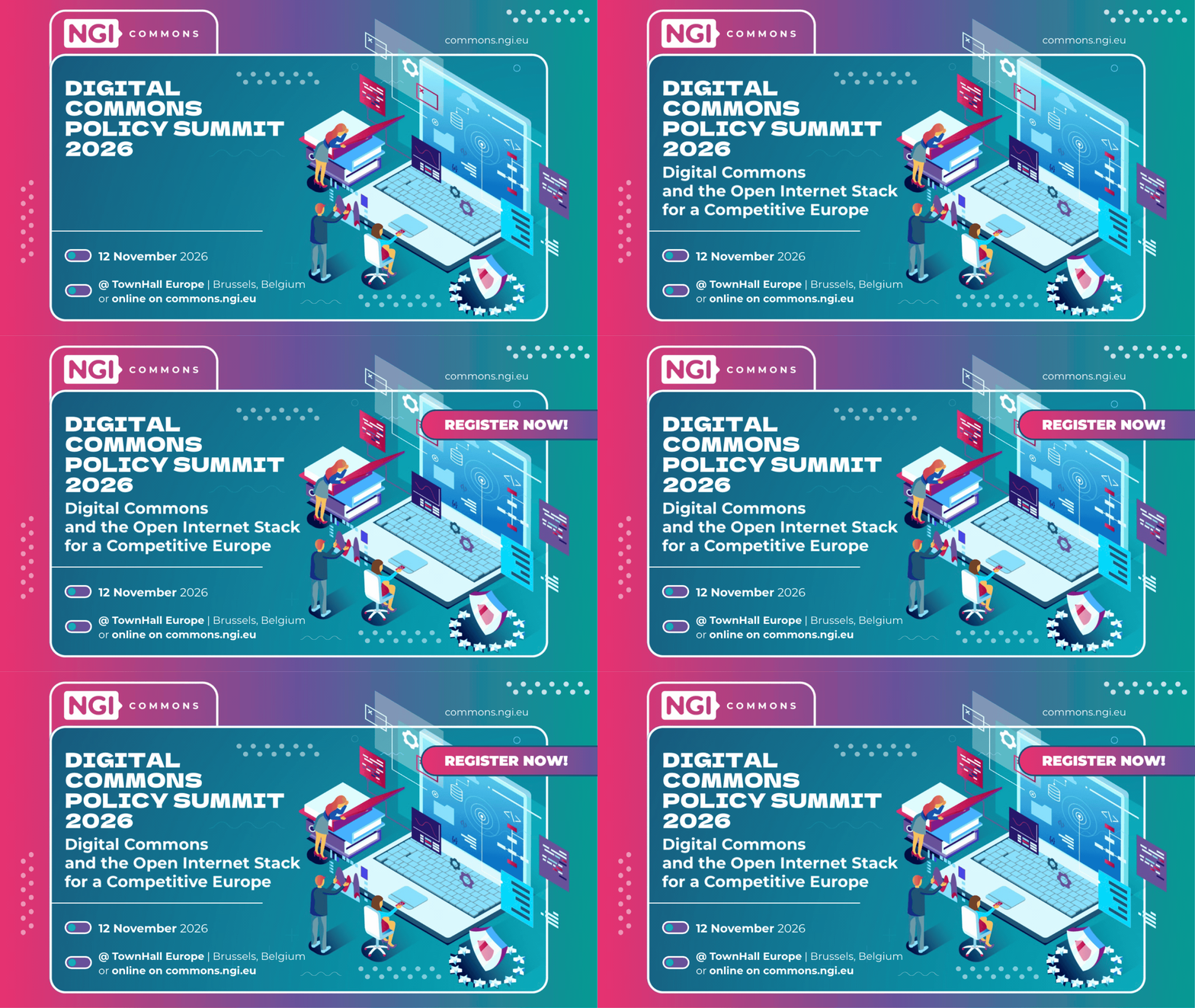
Digital Commons Policy Summit 2026 - Register now!

Why the 2026 Summit matters?

The 2026 question is how we implement the Tech Sovereignty Package. 

  • How will the EU Open Source Strategy be implemented and what will be the role of the Digital Commons?
  • Is the Tech Sovereignty Package sufficient to ensure Digital Commons sustainably constitute the backbone of the Open Internet Stack?
  • How can the DC-EDIC and the Digital Commoners community collaborate effectively?
  • How is the NGI Commons Strategic Agenda being operationalised?
  • How do we secure Digital Commons as key to European Digital Infrastructure?
  • What did NGI Commons achieve?

Summit Objectives

The Digital Commons Policy Summit 2026 aims to:

  1. Understand the Tech Sovereignty Package and its implications for Digital Commons 
  2. Support the ambition of the EU Open Source Strategy, and ensure closer collaboration of the European Commission and the Digital Commons
  3. Identify pathways for deeper cooperation between the EDIC and the Digital Commoners
  4. Analyse the technical integration of Digital Commons into the Open Internet Stack
  5. Discuss the funding of the Digital Commons under the new Multiannual Financial Framework (MFF)
  6. Present the results of the NGI Commons project, particularly NGI Commons Strategic Agenda

Who should attend

This Summit brings together stakeholders who can drive systemic change in Europe’s digital landscape:

  • Regional, national, and European Commission policymakers, regulators, legislators, and standardisation bodies;
  • Funders, foundations, and philanthropies;
  • Academics working on Digital Commons, sociology, philosophy, and emergent technology;
  • Open source practitioners and commoners aiming to scale their ecosystems.

Session Overview

1. Tech Sovereignty Package and the Digital Commons

Practical Implementation

  • Regional, national, and European Commission policymakers, regulators, legislators, and standardisation bodies;
  • Funders, foundations, and philanthropies;
  • Academics working on Digital Commons, sociology, philosophy, and emergent technology;
  • Open source practitioners and commoners aiming to scale their ecosystems.

2. Introducing the NGI Commons Strategic Agenda

From Roadmap to Implementation

  • Real-world operationalisation of Digital Commons at scale;
  • Governance, coordination, financing, and implementation challenges;
  • Suggestions for practical implementation.

3. DC-EDIC and the Commoners

Operationalisation and Ambition

  • Operationalising the DC-EDIC structure and governance;
  • Finding practical cooperation between the EDIC and Digital Commoners.

4. The Open Internet Stack: Measuring Practical Integration

Active role of Commons within the Open Internet Stack

  • Case studies of successful commons-led stack components;
  • Ongoing integration of open-source technologies into European infrastructure layers;
  • Long-term sustainability.

5. The Commoners & Funding Session: Securing the Future

Grounded in NGI Commons analysis and practitioner voices

  • Success and lessons of current funding models;
  • Recommendations for the FP10 MFF phase;
  • Sustainability for the new phase of Digital Commons funding.

What will you gain

Strategic Clarity

Understand the Tech Sovereignty Package, the EU Open Source Strategy, and its impact on the Digital Commons. Explore the NGI Commons Strategic Agenda, and its implementation in accelerating Europe’s digital sovereignty.

Policy & Funding Insights

Explore sustainable funding mechanisms, the Open Internet Stack, and the next Multiannual Financial Framework (MFF). 

Practitioner Perspectives

Hear directly from open source practitioners, and Digital Commons advocates. Our recommendations are grounded in depth interviews, comprehensive domain analysis, and the results of the NGI Commons project.

Networking & Influence

Connect with peers shaping European digital policy. Bring your ideas and discover new policy concepts to influence your organisation, city, and country.

Agenda

9:00 – 09:35

Welcome and Introduction

Opening Remarks

Representative from the European Commission: Tech Sovereignty, Open Internet Stack, 2026 priorities

Keynote

9:35 – 10:45

Session 1: Tech Sovereignty Package and the Digital Commons

Regulatory Sufficiency and What More Is Needed 

11:15 – 12:30

Session 2: The Digital Commons Strategic Agenda

From Roadmap to Implementation – looking ahead to FP10

13:30 – 14:45

Session 3: DC-EDIC and the Commoners

Operationalisation, Cooperation and Ambition

14:45 – 16:00

Session 4: The Open Internet Stack Landscape and Context 

Digital Commons and the Open Internet Stack initiative

16:30 – 17:45

Session 5: The Commoners & Funding Session: Securing the Future

17:45 – 18:00

Closing Remarks, Wrap-Up & EC Statement

Registration Information

Registration is free, but mandatory.

Please note that in-person attendance is limited. If you’re not allocated a seat, the entire event will be accessible online so you can follow along remotely.

Speakers

Gemma Carolillo

European Commission

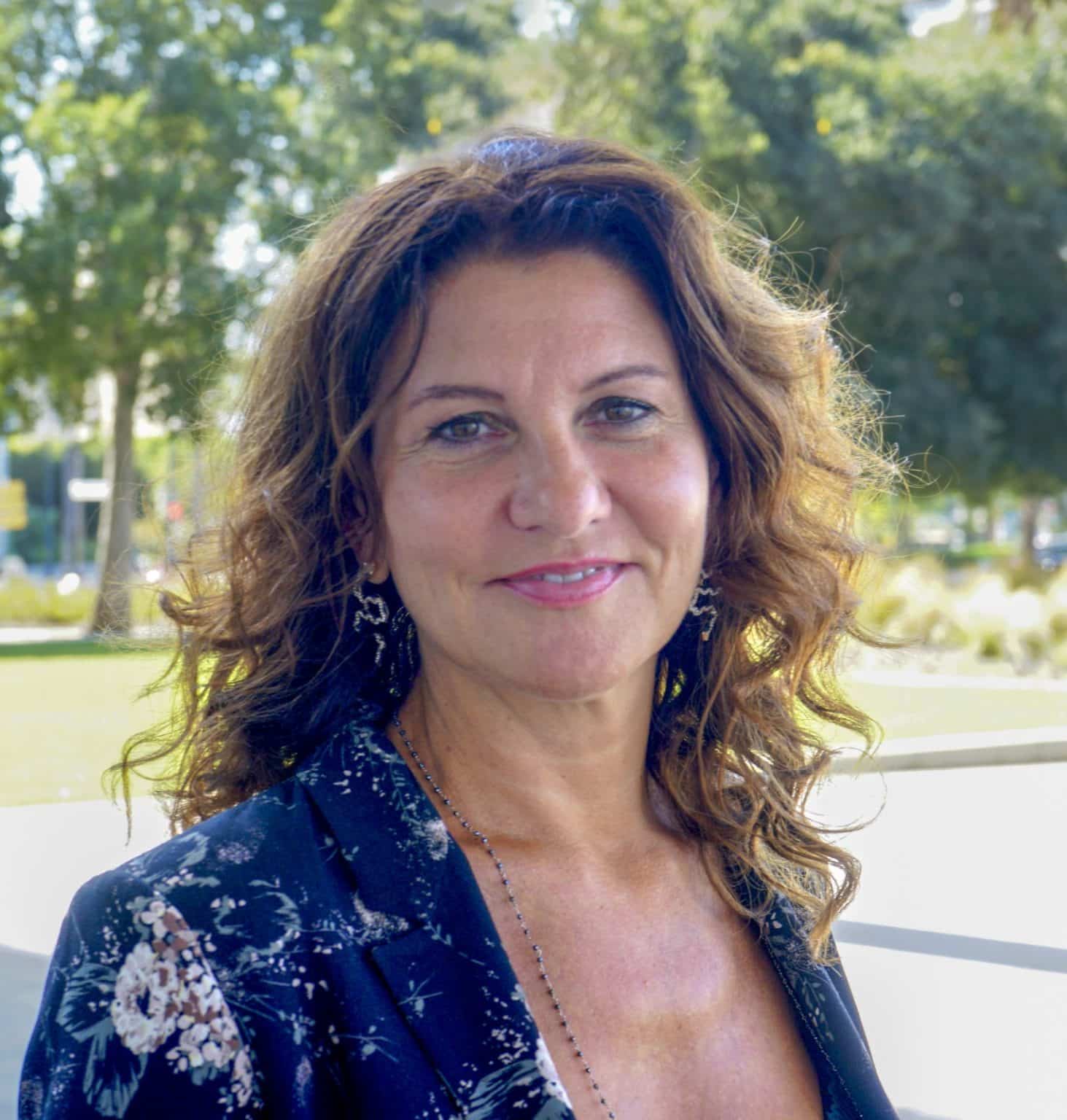
Gemma is Deputy Head of the Future Internet Unit at the European Commission, where she works on the Open Source policy and contributed to the Next Generation Internet (NGI) initiative, as well as internet governance policies – including multistakeholder dialogue, .eu top level domain name regulatory framework, ICANN, internet security, resilience and openness. Previously, she contributed to several policy priorities of the EU Digital Single Market, in particular in the area of cybersecurity (policy and regulation). Gemma has an education background in business management, field where she holds a PhD.

Dr. Monique Calisti

Martel Innovate

Monique Calisti

Dr. Monique Calisti is the CEO of Martel Innovate and the President of Digital for Planet. She is a passionate entrepreneur and ICT expert with consolidated experience in research and innovation funding, strategic consulting, communication and business development of sustainable innovative solutions across several industry segments. With extensive domain knowledge in Artificial Intelligence and Next Generation Internet, Monique is engaged in several projects focusing on definition and development of advanced, human-centric, and green digital technologies. Monique holds a Ph.D. in Artificial Intelligence (Swiss Federal Institute of Technology of Lausanne, Switzerland), and a Ph.D. in Telecommunications Engineering (University of Bologna, Italy).

Laszlo Igneczi

OpenForum Europe

Laszlo Igneczi

Laszlo brings three decades of experience spanning EU institutions, national ministries and the private sector to OFE. His career has combined in-depth policy work, liaising with EU institutions and private actors, organisational leadership, and operational execution, always focusing on the next step in technology and crafting a regulatory response to harness the opportunities ahead.

Most recently, he served for ten years as Director of the BEREC Office, the EU Agency supporting the Body of European Regulators for Electronic Communications. In that role, he led the agency through a period of significant change, enabling BEREC to extend its focus from traditional telecoms regulation toward emerging challenges in the data economy, artificial intelligence, and the shift to from hardware-centric networks to cloud-based and software-defined systems.

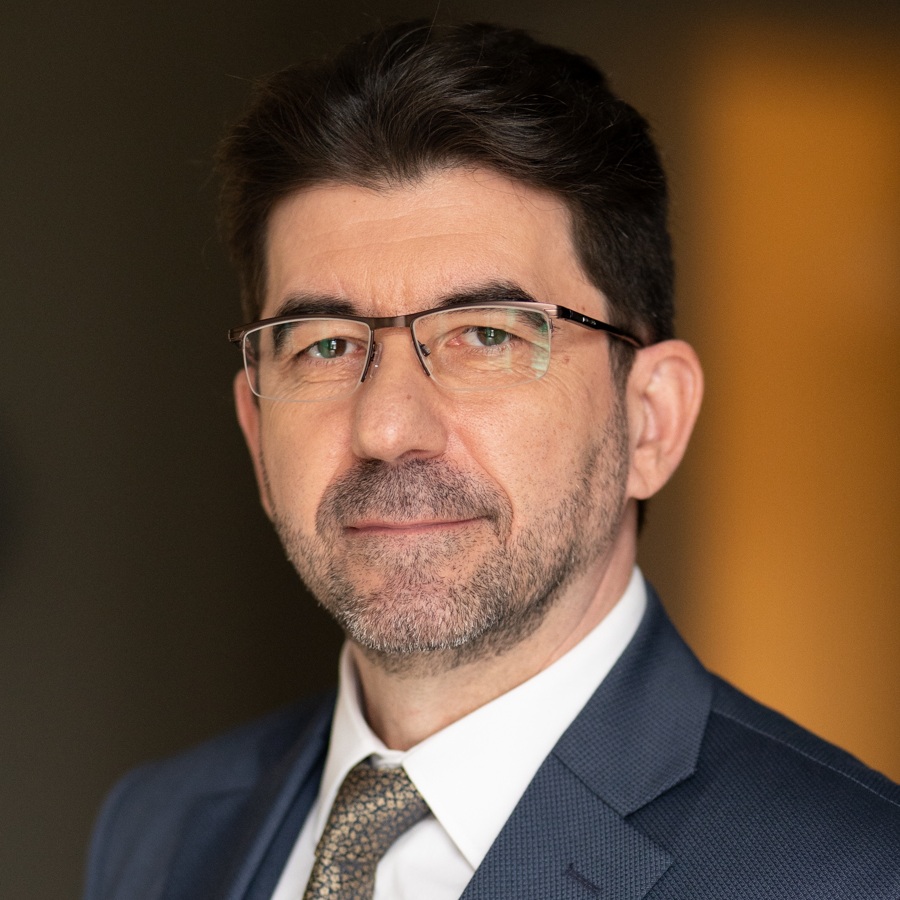
Prior to that, he served at Hungary’s Permanent Representation to the EU and Hungary’s Ministry for Information and Communications and Ministry of Economy and Transport, coordinating legislative implementation and EU regulatory alignment. He represented Hungary in the Council Working Parties on information society and telecommunications, audiovisual media, postal services and space policy.  Laszlo began his career in the private sector, spending over a decade in telecommunications during the period of market liberalisation and mass digitalisation.

Dr. Giovanni Rimassa

Martel Innovate

Giovanni Rimassa

Dr. Giovanni Rimassa is Chief Innovation Officer at Martel, supporting business development, market positioning and commercialisation activities, as well as leading initiatives around Artificial Intelligence and Computing Continuum. Giovanni holds a Ph.D. in Information Engineering (Università di Parma, Italy), with a Thesis on Runtime Support for Distributed Multi-Agent Systems. He authored more than 50 peer-reviewed publications and participated in several research projects, spanning five EC Framework Programmes and such diverse topics as cloud-edge-IoT computing, intelligent business process management, semantic knowledge management, intelligent distributed systems, smart cities, digital enhanced learning. Open Source Software accompanied him during his 25 year professional path between academia and industry, from the multi-agent middleware beginning, over to an Eclipse-based iBPMS platform, to the current Martel offering for IoT and Smart Cities.

Laurent Rojey

Digital Commons EDIC

Laurent Rojey

Laurent Rojey is Director of the Digital Commons EDIC, a European Digital Infrastructure Consortium established by Member States to support the development, deployment and long-term sustainability of digital commons across Europe. He brings nearly 25 years of experience in digital policy and transformation. Before joining the DC-EDIC, he served as Deputy Director General for Digital Affairs at France’s National Agency for Territorial Cohesion. His career has focused on European cooperation, open source and innovation, and the development of digital public services. At the DC-EDIC, he works to turn Europe’s ambitions for digital commons into shared operational capacity.

Dr. Cecilia Rikap

University College London

Cecilia Rikap

Dr. Cecilia Rikap is an Associate Professor in Economics and the Head of Research at the University College London’s Institute for Innovation and Public Purpose. Cecilia’s work analyses corporate power and how knowledge extractivism leads to intellectual monopolisation. Her most recent research focuses on artificial intelligence, the cloud, Big Tech dominance, AI-driven geopolitical tensions, digital sovereignty and how digital dependence constrains development. She has published four books on these topics. The award winning book Capitalism, Power and Innovation: Intellectual Monopoly Capitalism Uncovered, The Digital Innovation Race co-authored the book, and her two most recent books, “Teoría de la Dependencia Digital. Soberanía y Desarrollo en el Capitalismo del Siglo XXI” and “The Rulers: Corporate Power in the Age of AI and the Cloud” both published in 2026.

Rachel Foucard

TYPO3 Association

Rachel Foucard

Rachel Foucard is the Compliance Officer of the TYPO3 Association and CTO of the French digital agency W‑Seils. After serving for six years on the TYPO3 Association Board, she now focuses on regulatory and policy matters affecting open-source communities, including cybersecurity, digital sovereignty, public procurement, and the long-term sustainability of open-source ecosystems.

Jan Penfrat

EDRi

Jan Penfrat

Jan Penfrat is leading EDRi’s work on online platform regulation, open source software and digital self-determination. Before joining EDRi, he was a freelance technology reporter at the German IT magazine Golem.de where he covered internet regulation, IT security and open source software. He started his career as a policy consultant for the lobbying firm EUTOP and was a co-founder of the Privacy Training Center.

Paul Keller

Open Future Foundation

Paul Keller

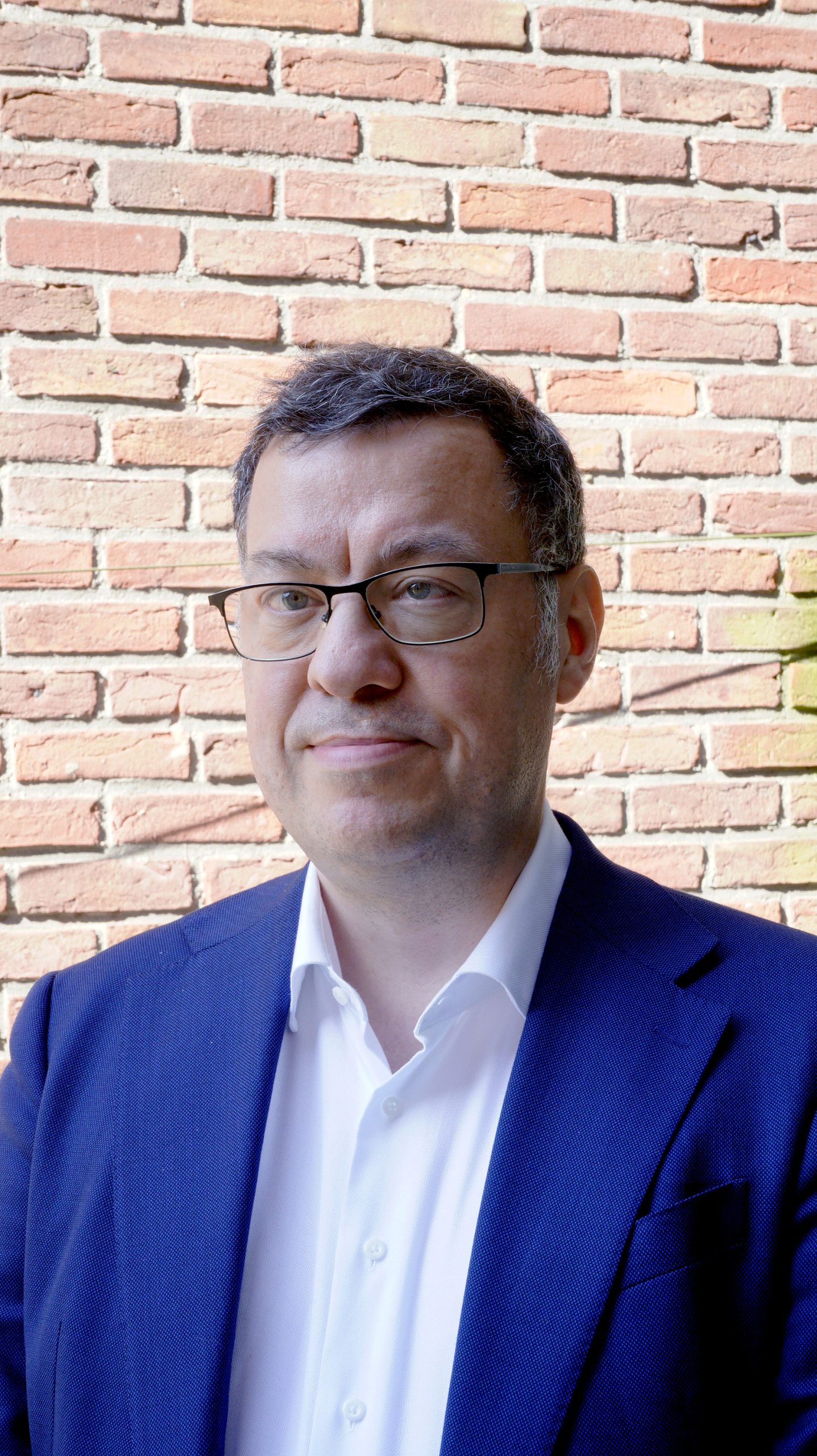
Paul is the Director of Policy at Open Future. He has 20+ years of experience as a media activist, open policy advocate and systems architect to improve access to knowledge and culture. A political scientist by training, Paul has a deep understanding of the digital transformation’s political, social and legal implications. Prior to founding Open Future Paul was co-director of Kennisland, an Amsterdam-based think-tank working on issues related to the knowledge economy. Before joining Kennisland in 2007, Paul worked at Waag as head of the Public Research program.

Paul is a research fellow at the Institute for Information Law of the University of Amsterdam, a board member of Public Spaces and sits on the advisory boards of the Glushko & Samuelson Information Law and Policy Lab and the Europeana Foundation.

Zuzanna Warso

Open Future Foundation

Zuzanna Warso

Zuzanna is the Director of Research at OpenFuture Foundation. She has fiftenn years of experience with human rights research and advocacy. In her work, she has focused on the intersection of science, technology, human rights and ethics. Zuzanna spent more than eight years with the Helsinki Foundation for Human Rights, a prominent human rights non-governmental organization in Poland, where she has gained experience in advocacy and policy work. 

She holds a Ph.D. in International Law and an M.A. in English Studies from the University of Warsaw. She has been involved in national and international interdisciplinary research and innovation projects, exploring the ethics of new technologies and their impact on human rights and freedoms. Before joining Open Future, Zuzanna researched the ethical and human rights challenges posed by new and emerging technologies. Since 2019 she has been acting as an independent expert to the European Commission, where she is involved in the ethics monitoring of research and innovation projects. 

Nicholas Gates

OpenForum Europe

Nicholas Gates

Nicholas (‘Nick‘) Gates is a Senior Policy Advisor at OpenForum Europe, where he coordinates OFE’s open technology research work, oversees the organisation’s international partnerships, and manages work on EU-funded projects related to open source software and open technology. Nick has significant experience in technology policy and research, particularly around digital government, digital public infrastructure, open technology, public financial management, and service delivery. Through prior work as a consultant and researcher, Nick has worked with numerous development partners, governments, and international organisations to deliver on their research, advocacy, and convening agendas, using applied research and evidence-gathering to support informed decision-making. Nick holds an undergraduate dual degree from the University of Massachusetts Lowell in Political Science and History, and graduated with an MSc in Global Development from the University of Copenhagen in 2018. In his spare time, Nick is a film buff and enjoys cooking, hiking, and performing improv comedy.

Valérian Guillier

CNRS

Valérian Guillier

Valérian Guillier conducted his PhD research between 2015 and 2023 at the University of Paris 8 Vincennes Saint-Denis, focusing on cultural commons. For this research, he held a doctoral contract from Labex Arts-H2H. Additionally, from 2020 to 2022, Valérian served as an ATER (Attaché temporaire d’enseignement et de recherche) at Aix-Marseille University, teaching courses on cultural mediation in the arts.

Throughout his PhD work, Valérian Guillier delved into the dynamics of cultural commons and knowledge commons, particularly investigating the influence of technological advancements on their modes of valorisation. His research expanded to encompass the concept of digital commons, exploring a broader understanding of digital resources and how they can serve communities, extending beyond the realm of open-source software.

Karolina Gyurovszka

Martel Innovate

Karolina Gyurovszka

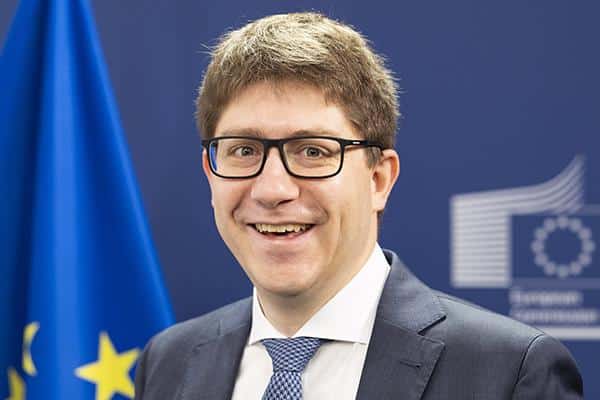
Florian Schuck is Policy Officer at the European DIGITAL SME Alliance, where he represents the interests of over 45,000 innovative small and medium-sized enterprises to European policymakers. As the only association exclusively focused on European SMEs in the technology sector, DIGITAL SME plays a crucial role in ensuring that the voice of Europe’s digital entrepreneurs is heard in Brussels. Florian is passionate about the intersection of technology, industrial policy, and democracy, advocating for policies that balance innovation with responsible regulation. With degrees from the London School of Economics and the University of Bayreuth, he combines deep knowledge of economic relationships with rigorous analysis to make informed, evidence-based policy recommendations.

FOLLOW THE LIVESTREAM

About the Organisers

The Digital Commons Policy Summit 2026 is organised by the NGI Commons consortium in collaboration with the European Commission. NGI Commons prepares a long-term strategy for Digital Commons, critical for Europe’s Technological Sovereignty, making sure a more coherent funding is available to ensure sustainability of the Digital Commons.
Learn more about NGI Commons

NGI Commons

Stay Connected

For questions about the event, please contact:
commons[at]ngi.eu or fill in our contact form.